Experience
Software Engineering Co-op · ASMPT SEMI
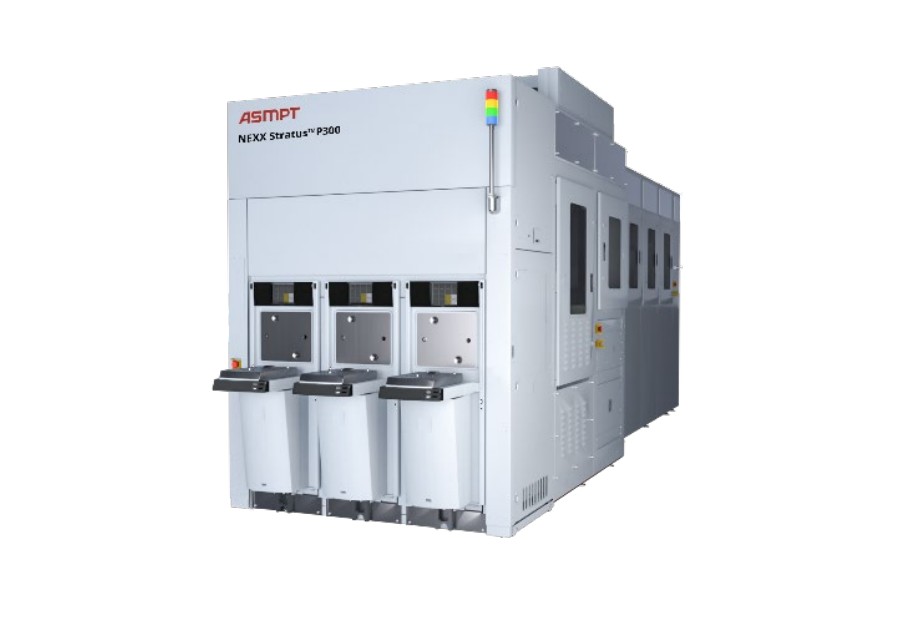
At ASMPT SEMI I worked on the simulation and diagnostic tooling behind the Stratus P300 Wafer Plating system — a semiconductor production machine where a false alarm is expensive and a missed alarm is worse. The goal of my co-op was to make the alarm pipeline trustworthy.
Highlights
- Architected a hardware-in-the-loop (HIL) diagnostic module for the Stratus P300 Wafer Plating machine to eliminate false alarms, validating chemical-composition sensor behavior against live machine hardware in real time.
- Re-engineered alarm logic to provide real-time feedback on chemical reservoir discrepancies, directly addressing client-reported issues.
- Modernized the simulator’s graphical interface from WinForms to the Windows Presentation Foundation (WPF) framework.
What I worked on
I built a hardware-in-the-loop diagnostic module that compared the live machine’s chemical-composition sensor stream against modeled expectations in real time, surfacing only the discrepancies that mattered. I also rewrote the alarm logic so operators received meaningful, actionable feedback about chemical reservoir state instead of the noisy alerts the field had been reporting. In parallel I migrated the legacy WinForms simulator UI to WPF so the tool could keep evolving.
What I learned
This was my first exposure to industrial-grade hardware-in-the-loop testing, and it gave me a strong appreciation for how thin the line is between a useful diagnostic and a noisy one. I also learned how much UI matters even for internal tools — the WPF rewrite measurably improved how operators interacted with the simulator.
Photos